Fonagy review: mental health distress is real and Blackpool can’t wait to get help
In August I sat down with GPs at Arnold Medical Centre on my Beyond the Prom tour. They told me what I hear everywhere in this town – we have a mental health crisis and we need urgent support. This week I returned to celebrate the opening of three new clinical rooms at the centre which will help them meet the growing needs of the local community, but a new government review released today makes clear that the scale of the problem will take much more to fix.
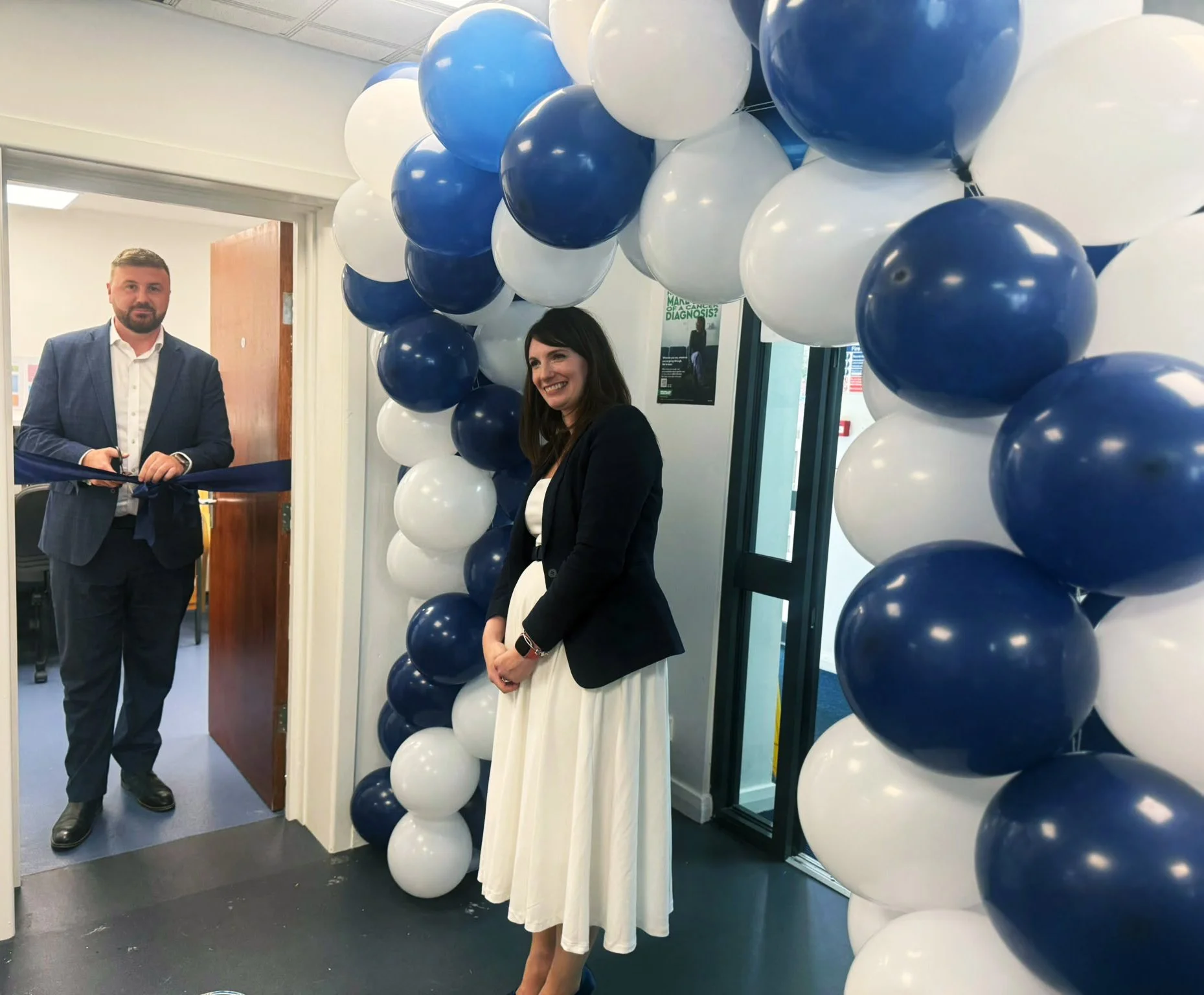
Opening one of three new clinical rooms at Arnold Medical Centre this week alongside practice manager Sarah Kinvig
The Fonagy review is a 607 page report that explains that mental distress across the population has risen substantially, and that rise can’t be put down to greater awareness alone.
Around one in four 16 to 24-year-olds is now thought to have a common mental disorder such as anxiety or depression, up from one in six in 1993. Around four million children are in serious distress, and the review warns that figure could reach 4.5 million by 2030. Mental ill health costs the country around £300 billion a year.
Anyone who tells you young people have just become more fragile should read it. They haven’t – life is harder for young people today and this is the impact.
The review is also frank that the system isn’t coping. More than 560,000 people are waiting for an ADHD assessment and more than 254,000 for an autism assessment. The share of children with an ADHD diagnosis has risen sharply in just five years, even though the review estimates the proportion of people with ADHD or autism has stayed broadly stable. That points to a system under pressure, with private providers filling the gap. NHS spending on independent ADHD services rose by 252% over three years and private companies carried out more than a third of NHS-funded autism assessments last year.
“Diagnosis should no longer be the only door to help. People should be able to get support through school, their GP, family hubs and community services at the point they need it.”
The review says diagnosis must be protected but it also warns that the risk of misdiagnosis is growing. The Health Secretary has committed to bringing every ADHD and autism assessment under CQC regulation, so quality is checked and the NHS isn’t overcharged. She has also asked the Advertising Standards Authority to look at how private companies advertise assessments, so people aren’t being encouraged to seek ones they may not need.
The review’s biggest idea is about support. Professor Peter Fonagy, the respected psychoanalyst and clinical psychologist who chaired it, says diagnosis should no longer be the only door to help. People should be able to get support through school, their GP, family hubs and community services at the point they need it, rather than waiting years for a label. The review also wants waiting lists reviewed so that people with the greatest needs, such as those who self-harm or are at risk of exclusion from school, are seen sooner. It’s clear that nobody should be dropped from a pathway without proper assessment and conversation.
While this review will help steer the direction of travel, the government is already taking action. In August it announced a £343 million investment in adult mental health services. The plans include up to 159 new NHS facilities across England, including walk-in community mental health centres and dedicated mental health emergency departments. Lancashire & South Cumbria NHS Foundation Trust, which serves Blackpool, is among the trusts set to benefit. Since the announcement I have written to NHS Lancashire and South Cumbria Integrated Care Board (ICB) calling for the centre for the area to be based in Blackpool where the need is greater and local services are scrambling to provide support.
That’s why I agreed with the council that Counselling in the Community’s South Shore hub on should be prioritised for Pride in Place Impact Funding that I secured in Parliament. Last moth I was proud to reopen the centre which had been force to close after storms tore through the building and more than 100 people a week were at risk of losing their therapy.

Reopening Counselling in the Community’s South Shore hub
That is what Fonagy means by support that’s local, affordable and available early, without waiting for a diagnosis or a crisis. I’ve told government ministers that charities like this deserve to be used more widely. They know their communities and give far better value than private providers.
The need here is not average, it’s extreme. More than 6,300 people in Blackpool claim Personal Independence Payment for a psychiatric disorder, the highest number in Lancashire. I’ve met young people in supported housing who told me they were self-medicating with cannabis because they couldn’t get help any other way. And I’ve raised in Parliament the tragic case of Jamie Pearson, who took his own life in A&E after waiting nearly 24 hours for support. Blackpool cannot keep losing people this way.
The government says a new Mental Health Strategy will follow in the coming months. Mental Health Support Teams will reach every school and college by 2029, and the 159 new community mental health centres and emergency departments will give people somewhere to turn before crisis point.
I’ll keep pushing for a share of that investment that matches our level of need, for Blackpool’s schools to be at the front of the queue and for local charities like Counselling in the Community to have a proper role in the strategy.