Horses for courses – an alternative approach to SEND education in Blackpool
I recently spent a morning at Warbreck Middle School and Warbreck High School in Bispham to see the brilliant work they do with SEND children in Blackpool.
Across two sites opposite each other on Warbreck Drive there are just 38 pupils, each receiving an education built around their needs. I was shown around by Willow, Imogen and Zoe who make up one of the school’s small classes led by teacher Courtney Bestwick. The girls were brilliant ambassadors for the school and for each other. Their classroom felt less like a school environment and more like a family space.
All of the pupils at Warbreck have Education, Health and Care Plans and have struggled in larger mainstream settings. Some live with autism, anxiety or emotional regulation difficulties. Many have experienced difficulties that have affected their relationship with education.
The school's entire approach is built around understanding those experiences and helping young people move forward.
Classes are deliberately small, with three or four pupils in each group. Each child is treated as an individual and given the right support for their strengths and challenges they face.
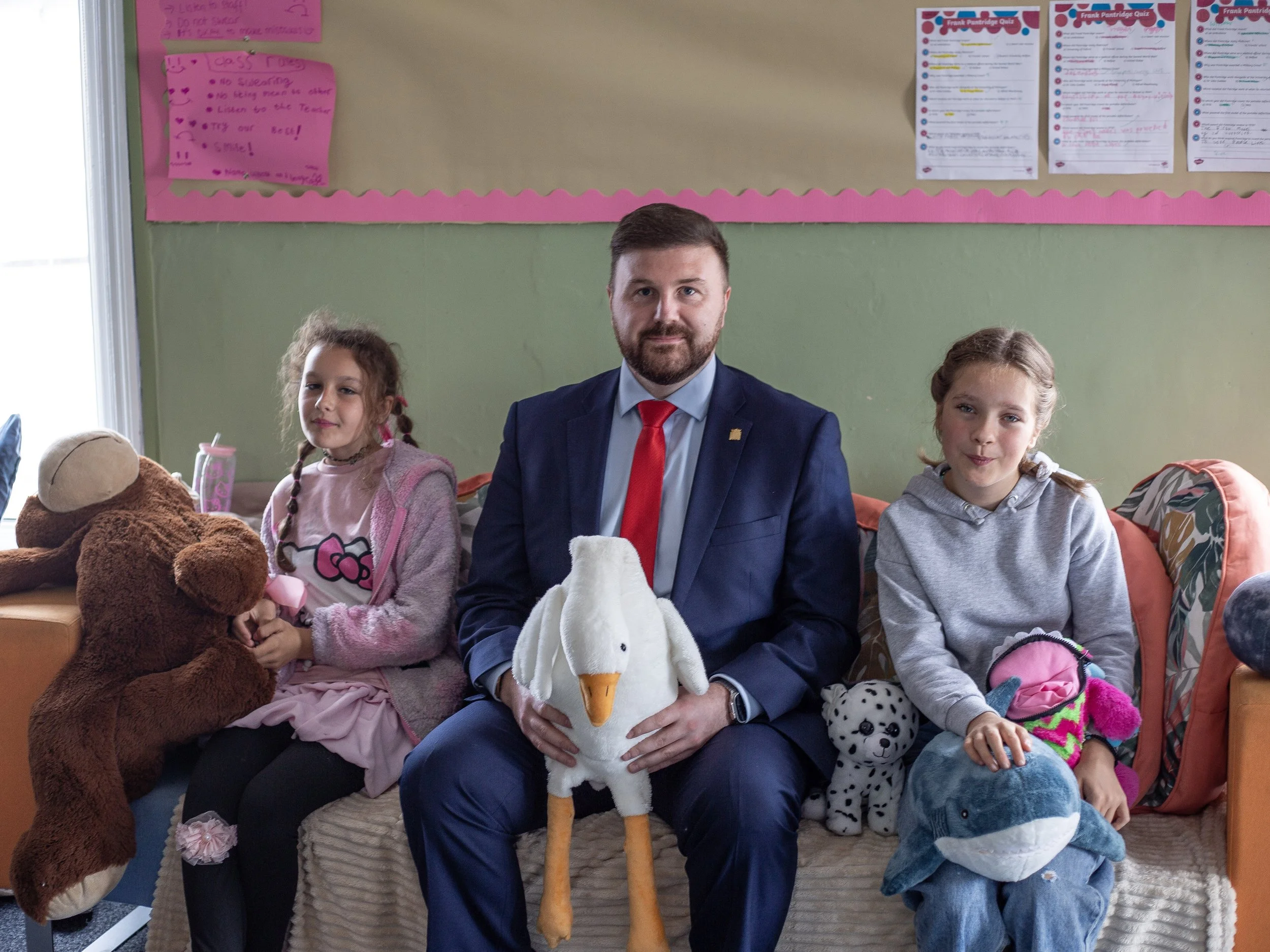
Silly goose – with Imogen and Willow and Warbreck Middle School
The school is run by The Alternative School, a small independent school provider which specialises in providing an innovative, inspiring and nurturing educational experience and environment. While it is independent, it’s not profit taking and I witnessed a genuine commitment to putting children first.
In September, the school will take another exciting step for local children – opening a new primary provision at Lowlands Farm on Peel Road and becoming Warbreck Therapeutic and Equine School.
Every member of staff has been trained in equine therapy which, for many children with SEND, can help build confidence, improve emotional regulation, reduce anxiety and strengthen communication skills. It gives young people a different way to engage, learn and develop resilience.
It is fantastic to see this kind of innovative thinking happening here in Blackpool. Different children learn in different ways and education should adapt to the child, not the other way around.
During my visit, staff also shared a case that highlighted some of the wider challenges facing vulnerable children and the families who care for them.
I heard about a grandmother who stepped in to care for her granddaughter after serious concerns about her mother's ability to provide safe care. The young person has autism and significant anxiety and when she was placed in a large mainstream secondary school, her mental health deteriorated and her weight dropped and her attendance fell. By stepping in, the grandmother kept the child out of the care system and provided the stability she desperately needed. But
instead of receiving the support that was needed, she faced enforcement action over school attendance.
The grandmother, who is disabled and unwell herself, was visited by bailiffs, taken to court and fined. The school stepped in a paid the fine and the child is now thriving in school, but this case raises important questions.
Grandparents, aunts, uncles and other family members step up every day to care for children when families face crisis. They take on enormous responsibilities and often do so with little recognition. The systems around them need to reflect that reality. The government has already rightly recognised the important role kinship carers play and has recently announced new support through the Families First Partnership programme and kinship care pilots. That’s welcome but there’s clearly still work to do. I will be raising the case I heard about both locally and with Children's Minister.
Because when they get support right, young people flourish and we can’t afford to get it wrong for them.