Labour’s once-in-a-generation overhaul of the water system
Sweeping reforms made by the Labour government are set to clean up the water industry, strengthen regulation and put an end to failing water companies marking their own homework.
After more than a decade of weak oversight by Conservative governments, the reforms set out in the government’s Water White Paper will create a new single water regulator with tough new powers, including a Chief Engineer to carry out hands-on checks of water infrastructure and stop pipes, pumps and treatment works that have been left to crumble.
For the first time, water companies will face mandatory ‘MOT-style’ checks on their assets, replacing the broken Conservative system that relied on self-reporting, and helping prevent the disruptive failures communities across the country have been forced to endure, such as the major disruption caused by a burst sewage pipe in Fleetwood in November.
The White Paper also introduces stronger inspection powers, including no-notice inspections, and a new Water Ombudsman with binding powers to ensure customers get fast, fair compensation when things go wrong.
Households will also benefit from wider smart meter roll-out and mandatory water-efficiency labels on appliances, helping families cut waste and save money on bills.
Meanwhile, Reform’s reckless plan to half-nationalise the industry would mean higher bills, dirtier waterways and a £50 billion price tag. Working families can’t afford another gamble with their money.
I’ve campaigning against the pollution of Blackpool sea water at the hands of United Utilities since my election, highlighting the impact of sewage discharges on the quality of bathing waters in Blackpool.
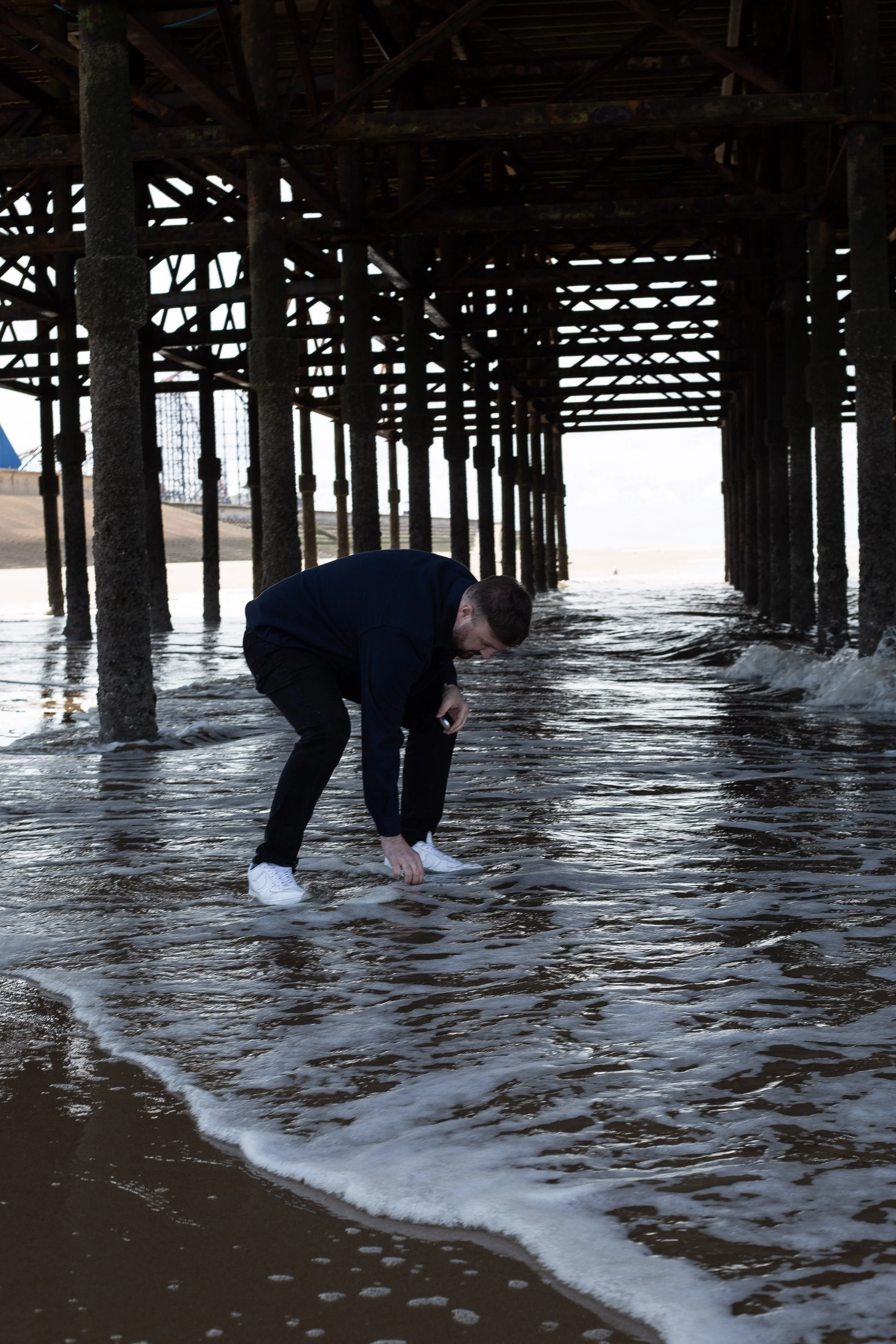
Here I am testing the water at South Shore for pollutants myself
Pollution warnings were issued across Blackpool’s beaches for 59 days in 2024 without a single safe day to enter the sea in September that year. This meant for almost 40 per cent of Blackpool’s summer season, the sea was unsafe for locals and visitors to enjoy.
Environment Agency figures for 2025 are set to be released in March, and will reveal whether the situation improved in Blackpool last year.
Nationally, 2025 saw an overall improvement, with both the frequency and duration of storm overflow events reduced, but the classifications for bathing waters in Blackpool remained the same – ‘sufficient’ in Blackpool South and Central and ‘poor’ in Blackpool North.
Our coastline should be a source of pride and joy for us residents. Our beaches should be a symbol of community spirit, where families and visitors alike can gather, relax, and enjoy the natural beauty of the coastline. But under the leadership of the Conservatives, raw sewage has been pumped into Blackpool’s waters, turning a place of pride into a danger to our health and wellbeing.
A 2026 Transition Plan will set out the path to the new system, and a new water reform bill will bring forward the legislation needed enable the system to take effect.
Backed by £104 billion of private investment over five years, this shift towards proactive maintenance of water company assets will fix failing infrastructure, end mismanagement, and build a water system that puts customers first – protecting household bills while attracting investment to secure the sector for the long-term.
Our Labour government is doing things differently with tougher oversight, real accountability, and a system that puts people and the environment first.