My view on tourism tax – it has to work for businesses
As chair of the APPG for Tourism and Hospitality and as an MP for a town built on tourism, I have been following closely the debate around proposed visitor levies, or tourist taxes. My views are shaped by the close work I have done with the industry, both locally and nationally and just before Easter recess I had the opportunity share them in a debate on the topic.
The tourist pound has an impact on far more than accommodation providers. It supports our local pubs, restaurants and cafés, our attractions and cultural venues, our high streets and our transport networks.
But businesses across the country are telling us how rising costs and an unfair tax system are holding them back.
It is broadly accepted that the decline of seaside destinations like Blackpool, and of domestic tourism as a whole, has coincided with the rise of budget airfares and cheap package holidays. Granted, the UK can’t compete with the weather in other European countries, but even where we can compete we are barely placing in the race.
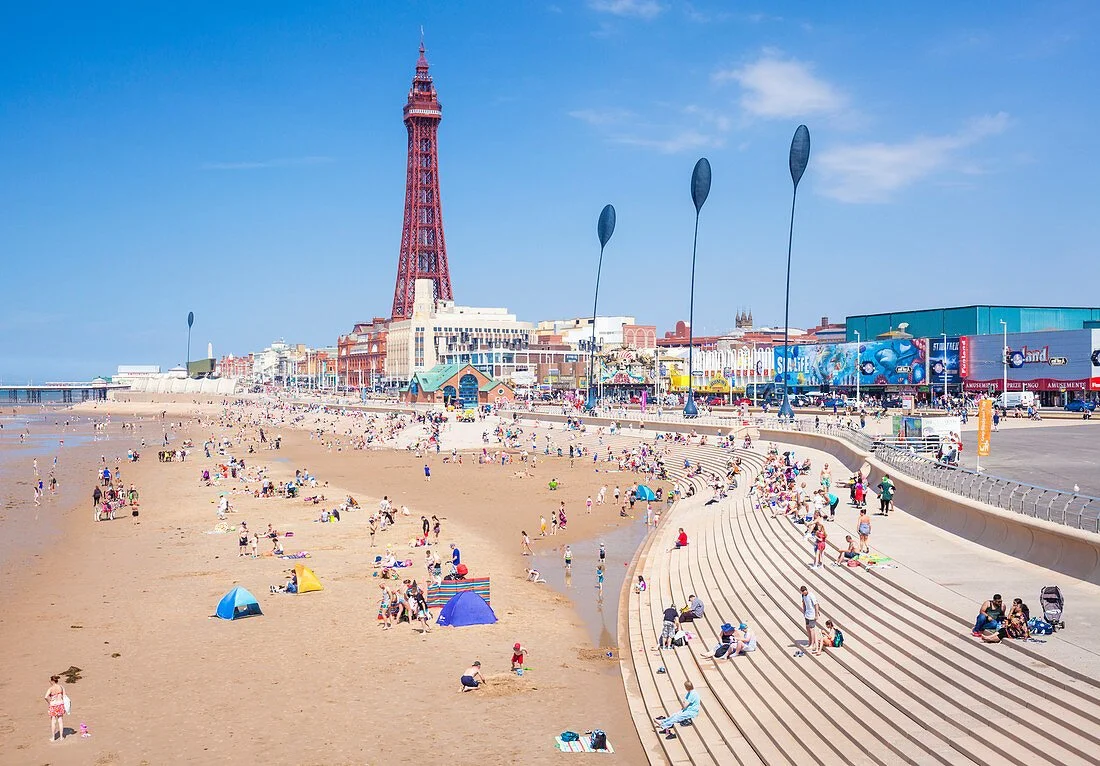
The UK currently ranks 113th in the world for tourism price competitiveness. We apply 20% VAT on accommodation, compared with just 7% in Germany and 10% in France, Italy and Spain. While many of those countries have visitor levies in place, they are paired with lower VAT rates, making their overall offer more competitive.
A couple staying one night in a three-star UK hotel already pays around £26 in direct tax, compared with an EU average of just over £16. Even a modest levy of £2 per night would widen that gap further, at a time when the UK is already among the least price-competitive tourism destinations in Europe.
If the Government is to consider introducing such levies, it must also review the case for reducing VAT for hospitality and tourism in line with our European neighbours.
Concerns about the impact of visitor levies are growing across the tourism and hospitality sector. If this policy is to go ahead, it must be designed in a way that takes those concerns seriously. A levy introduces new administrative requirements, from updating booking systems to collecting charges – a burden that will fall most heavily on small, independent businesses. Any approach must be consistent and workable in practice.
There must also be clear assurances about how revenue is used. Funds should be retained locally and should cover the cost of administration, while delivering tangible benefits for the areas that generate them. The squeeze on local government funding has already had a visible impact on tourism. Councils are less able to invest in the infrastructure that underpins a strong visitor economy.
The government’s aim of giving local leaders greater control over funding, particularly in high-traffic tourist areas, is a welcome one. Those closest to their communities are best placed to decide how to invest in them.
But a visitor levy must not become a substitute for existing government support – it should provide additional investment. Revenue should be kept outside core spending power and directed towards activities that directly support tourism – from major events and cultural assets to transport and public infrastructure.
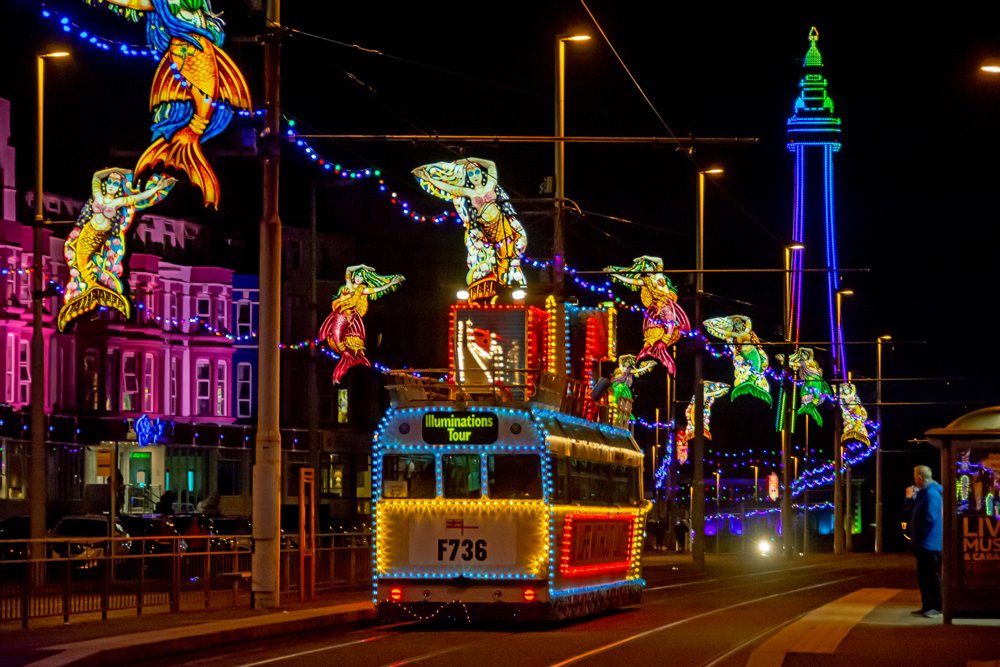
In Blackpool, from the air show to the illuminations, large-scale free events continue to bring visitors to the town in search of a family-friendly and affordable break. Yet overnight stays and visitor spend are falling, against a backdrop of growing competition and the ongoing challenge of creating a sustainable funding model.
Local leaders are also best placed to identify the infrastructure and improvements that will drive growth. But that must go hand in hand with meaningful consultation – both from central government and at a local level with businesses and communities.
At the same time, we cannot ignore the wider pressures facing the sector. Reform of business rates, a fair approach to employer National Insurance contributions, and a reduction in VAT for hospitality and tourism all remain critical to its long-term success.
A visitor levy has the potential to support the sector and strengthen local economies. But that will only happen if it is designed with fairness, consistency and genuine engagement with the industry.
If introduced, it must deliver long-term, locally led investment that enhances the places people come to visit and supports the businesses that depend on them.
If it doesn’t, it risks placing further strain on a sector that is already under pressure.