Standing up for our posties in Parliament
As a proud son of a Blackpool postie, I could not miss the opportunity to speak in a Westminster Hall debate about the current performance of Royal Mail last week.
Despite the privatisation of Royal Mail in 2011, our local posties maintain a sense of pride as public servants – knowing better than anyone their role in our communities as a recognisable face, a trusted person and a point of contact.
They are working incredibly hard under incredibly difficult circumstances but still manage to deliver a friendly smile and a hello along with their letters – sometimes the only one their customers will receive all day. It is vital that we protect them and the service they deliver.
In recent years our loyal posties and the communities they serve have been let down time and again by Royal Mail.
Poor financial management, unstable office practices, and a recruitment crisis driven by low pay and unfair conditions for new staff, are responsible for the service problems we now see across the country.
The impact of this mismanagement is felt across the workforce and among our constituents – many of whom still rely on our postal service for vital communication and connection.
Posties in my constituency of Blackpool South have told me how they are forced to prioritise parcels over letters – allegations that are echoed across the country.
But every undelivered letter abandoned at the sorting office until tomorrow represents a real-world consequence – a missed medical appointment for an elderly constituent, a missed benefit notification for a single parent, or an important notice for a local business.
These are the communications that our national postal service represents – something no other courier service can compete with. But rather than setting itself apart, Royal Mail appears intent on joining the race and becoming just another parcel courier with gig-economy terms and conditions for its workforce. We have a responsibility to ensure that is not allowed to happen.
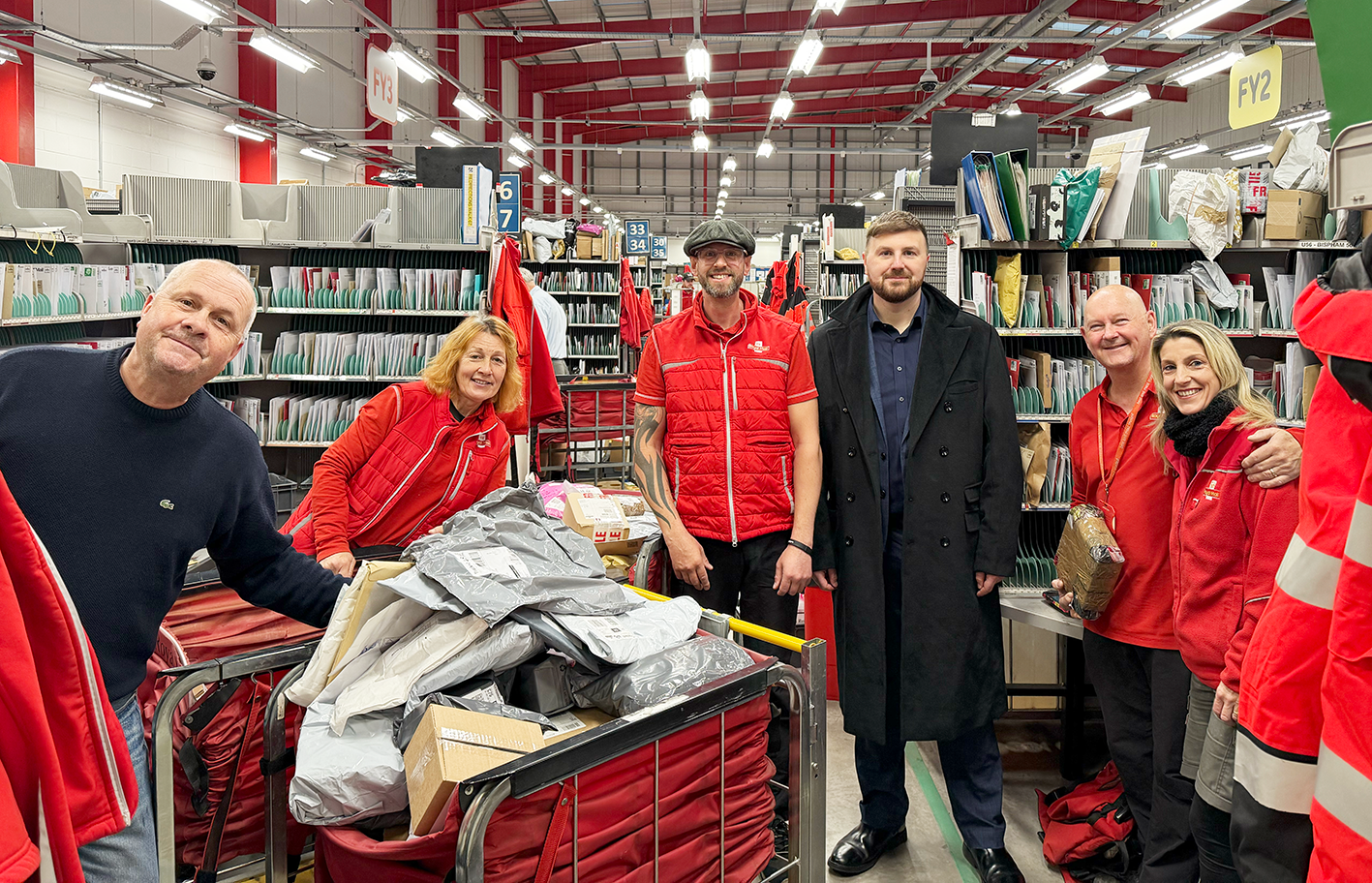
At the sorting office with local posties
Trials of Royal Mail’s so-called ‘optimised delivery model’ have failed, showing that it relies on unrealistic cost savings, including cutting jobs, rather than focusing on providing a reliable service for customers.
Trials have shown that the model doesn’t work in most offices, with only a quarter of sites hitting some of their service targets during the pilot. Unless Royal Mail fixes its resourcing crisis, no model of USO reform will ever succeed.
On recruitment and retention the picture is stark. Over 27,000 new hires left the company between December 2022 and October 2025 and a staggering 50% of new recruits leave within their first year.
Local posties tell me how the constant pressure to meet impossible delivery targets turns every shift into a race to the bottom of their post bag. This relentless pace undermines both service quality and staff wellbeing. Sitting behind a desk or scanning items at the supermarket checkout is a far easier option for many.
The new owners of Royal Mail committed to equalising the pay and conditions for new starters over time but are now refusing to deliver on that promise – leading to a fresh exodus of those who held out hope for change. If Royal Mail is to resolve this recruitment and retention crisis it must properly reward and respect its vital workforce.
Improvements to service quality are impossible unless the company agrees an urgent pathway to equalising workers’ terms and conditions. They need to get this vital service back on track for the sake of constituents across the country and proper scrutiny from this government is necessary.
We must ensure that the new owners stick to their agreements with the Communications Workers’ Union and the government. And for the sake of preserving this 500 year institution and ensuring it serves communities over stake holders, we must also consider bringing it back into public ownership.
I look forward to hearing what steps the government will take, alongside Ofcom, to ensure that Royal Mail delivers for both residents and workers alike.