The threat to democracy isn’t in Westminster – It’s online
When people talk about threats to democracy they often point to Westminster, but one of the biggest threats facing our democracy today is in our hands.
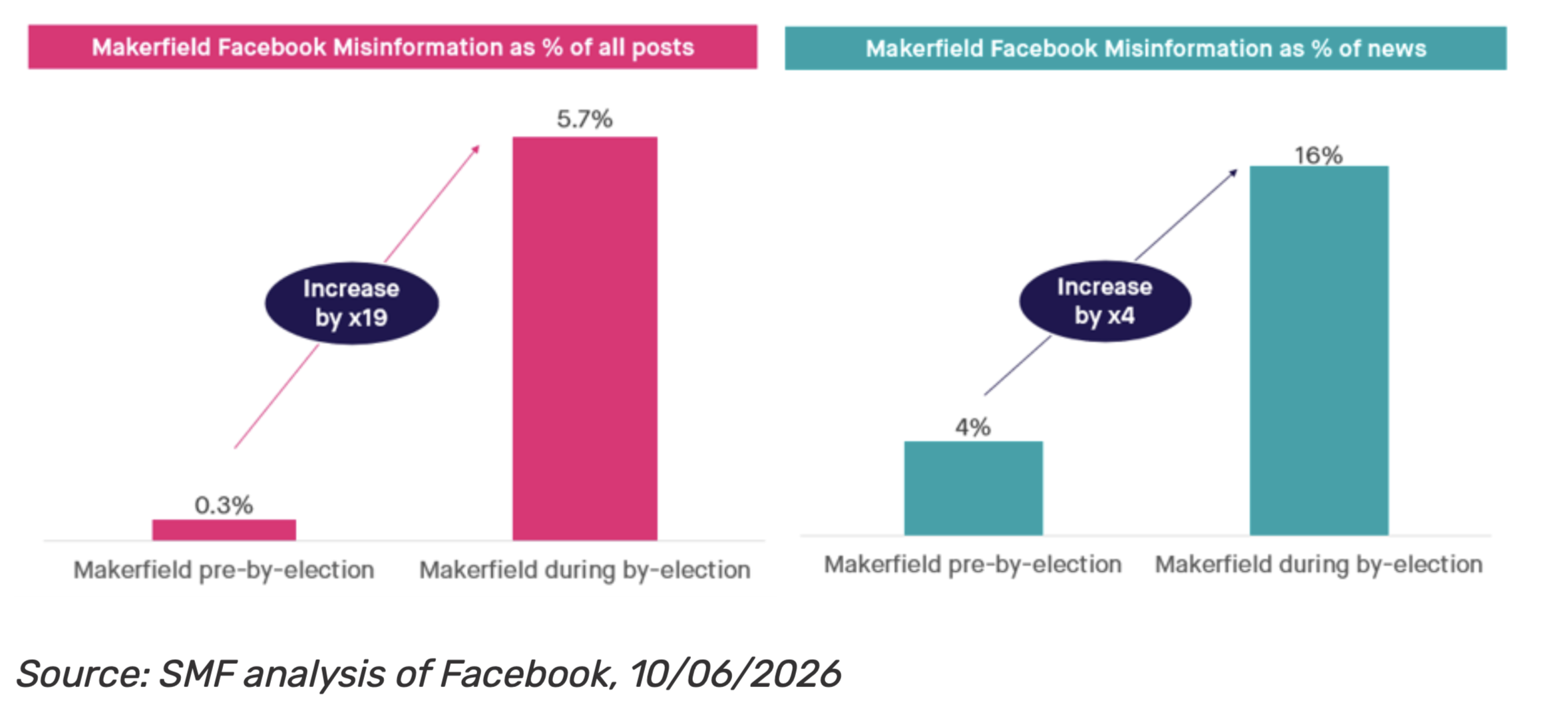
Our smartphones allow us to access a world of information – but not all of it accurate. New research from the Social Market Foundation found that fake news in local online groups quadrupled during the Makerfield by-election campaign. Researchers found AI-generated images, fabricated stories and misleading content being shared widely. In some local Facebook groups, one in six news stories shared was false.
But this isn’t just about one by-election in Greater Manchester. It’s about what happens when more and more people get their news from anonymous social media accounts instead of trusted journalism or official sources like the police.
I regularly see examples of it here in Blackpool. Recently, rumours spread online about an alleged attack on a woman and children by an asylum seeker at a local railway station. The story spread quickly and people were understandably concerned.
The problem was that it wasn’t true. And even after I publicly corrected the record, local journalists were still receiving calls and messages from people who had seen the claims online and believed them.
I’ve seen the same thing happen with rumours about housing developments in Blackpool. Over many months, false claims have circulated online suggesting a new development would be used to house asylum seekers. Time and again those claims have been debunked. I’ve done so publicly, local journalists reported the facts and others in the community tried to put the record straight.
But the rumours kept coming back – peddled by groups seeking to cause division in our communities and create moral panic about asylum seekers.
They understand that once something takes hold online, it can be incredibly difficult to stop. People see the same claim repeated over and over again and eventually some start to assume there must be some truth in it. The result is confusion, mistrust and division.
As MPs, we’re increasingly spending time dealing with online rumours – time that could be spent helping residents with housing issues, NHS problems or benefit cases is instead spent correcting misinformation.
One of the reasons Blackpool residents voted for me was because I am a local lad with an innate understanding of life in Blackpool. But during the Blackpool South by-election and the general election that followed, false claims circulated suggesting I was actually born in Manchester and that I’d spent years misleading residents about my background.
I found it quite funny at first. If opponents were trying that hard to challenge our message that I was Blackpool born and bred, then clearly the message was cutting through. What wasn’t funny was seeing those claims continue long after they had been disproved.
Campaigners in an opposition party who knew they weren’t true continued repeating them. Even now, years later, they still occasionally reappear on social media. I sometimes joke that I could publish my birth certificate like Barack Obama and some people still wouldn’t believe it. But there is a serious point here.
Misinformation doesn’t survive simply because people don’t know the facts. Sometimes it survives because it is useful to those spreading it. Sometimes it’s confirmation bias – people believe it because they want to. And that’s what makes it so dangerous.
If elections become dominated by misinformation, AI-generated content and outrage designed to drive clicks, it becomes harder for voters to make informed decisions. Trust in politics falls even further, public debate becomes more toxic and people stop seeing political opponents as neighbours with different views and start seeing them as enemies. That should concern all of us, regardless of which party we support.
This isn’t about restricting free speech. People have every right to disagree with politicians, to challenge decisions and hold those in power to account. But democracy depends on us all having the facts. Without that, meaningful debate becomes almost impossible.
So how do we challenge this?
Social media companies need to take more responsibility for what is being amplified on their platforms, particularly during elections. They cannot continue profiting from engagement while ignoring the damage caused by coordinated misinformation campaigns.
We also need to support local journalism. Local newspapers and journalists play a vital role in checking facts and holding people like me to account. When local journalism declines, misinformation has an opportunity to fill in the gaps.
And we need to help people navigate an online world where not everything they see is what it appears to be. That means teaching people how to check sources, question suspicious content and think critically before sharing something online.
Ultimately, we all of have a responsibility to do our best not to spread misinformation. Before sharing something that makes us angry or shocked we need to take a moment – ask where it came from, whether it’s been verified and whether it’s actually true.
The events in Makerfield should be a warning and the rumours we’ve seen spread in Blackpool show that this is not somebody else’s problem. It’s happening here and the threat misinformation poses to our democracy is real.
The question is whether we’re prepared to tackle it before the problem becomes even harder to put right.