Our communities can’t tackle deprivation alone
Blackpool is a town with huge potential and pride. But we are also a case study in what happens when national policy neglects the specific needs of coastal communities.
The decline of traditional industries, the collapse of secure employment and decades of under-investment in housing, education and health services have left scars that no one-off funding round can heal.
In Blackpool, the impact of deprivation extends far beyond income – it affects health, wellbeing and social connection.
Last year's Community Life Survey found that adults living in the most deprived communities are nearly three times more likely to report feeling lonely than those in the least deprived areas.
And loneliness does not exist in isolation from health. People living with disabilities or long-term health conditions are almost three times more likely to experience chronic loneliness.
Persistent loneliness is associated with depression, low self-esteem, increased stress and poor sleep – all of which worsen existing health inequalities.
This is particularly concerning for Blackpool, which has some of the highest rates of diagnosed depression and self-harm in the country.
Left unaddressed, isolation and poor health feed one another, deepening inequality and creating a cycle that is difficult to break. Tackling isolation is vital to improving public health, reducing health inequalities and helping people live healthier, happier lives.
This cycle is made worse by the nature of work available in towns like ours. Research shows that adults who have never worked, or who are long-term unemployed, are significantly more likely to experience chronic loneliness than those in professional occupations.
And people growing up in coastal towns face particular barriers to accessing secure work in the first place.
Chris Whitty's Health in Coastal Communities 2021 report rightly highlighted that people working in Blackpool are far more likely to be in temporary and insecure employment than in other areas.
As in many coastal communities, most jobs here are tied directly or indirectly to tourism – often low-skilled, low-paid and seasonal.
That employment picture narrows opportunity at exactly the moment young people need it widened. Poor transport links and a shortage of local opportunities can discourage young people from pursuing higher education altogether, making it harder to progress into further education, training or well-paid work.
And just as economic opportunity has narrowed, so too have the spaces where people might otherwise build connection. Rising costs, struggling high streets and the closure of community spaces have reduced the number of safe, affordable places available for young people – and the wider community – to come together.
Yet even against this backdrop, I have seen what's possible when people are given the chance to build that connection themselves.

Grow Blackpool
During my visit to Grow Blackpool at The Grange community centre in Blackpool’s Grange Park, I saw how a community project that began with just two people has become a valuable resource for local residents – bringing people together to grow food, learn new skills and spend time outdoors, reducing isolation while building stronger community ties.
I saw the same thing at The Hub at South Shore's Monday Lunch Club – just one part of their packed weekly programme. Founded by Brian and Karen Coope in 2017, it has grown to support more than 1,000 residents every month, with around 500 people attending each week.
Through everything from support groups and educational sessions to practical help with digital access, The Hub provides essential support for local people – and the results speak for themselves: 94% of users report improved health and wellbeing and 88% say they have made new friends.
And I saw it again when I visited the Forget Me Not Dementia Café, led by Jenny Fitzsimmons and her brilliant volunteers. Dementia can be incredibly isolating but more than a third of people in the UK living with it have no formal diagnosis, and are missing out on vital care and support.
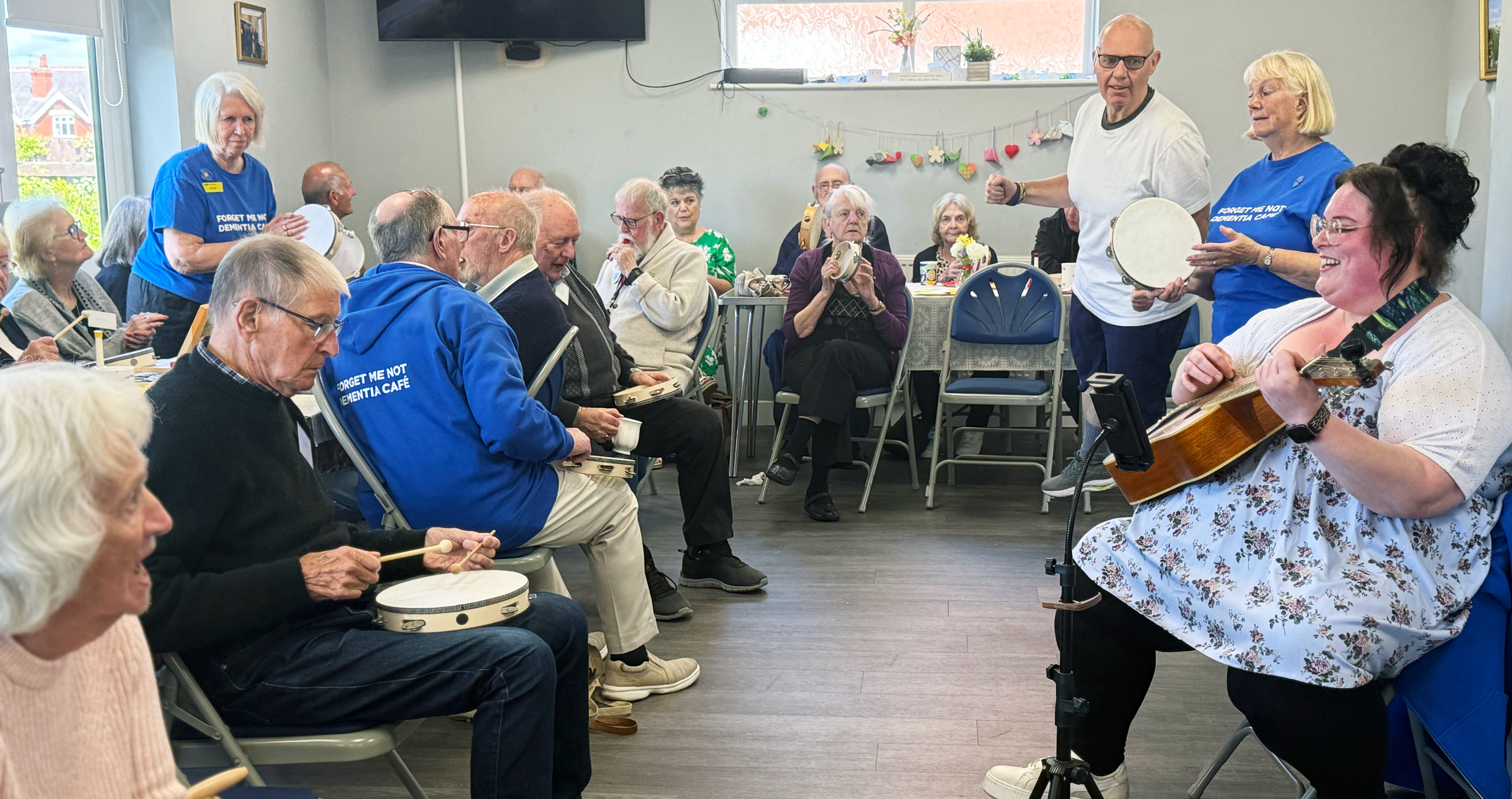
Forget Me Not
It’s places like Forget Me Not that are stepping in to that gap.
I found a room full of music, laughter and conversation and it was genuinely moving to watch the room come alive with singing and shared memories.
These organisations show the power of community-led solutions when people are given the resources and support they need.
I have seen volunteers, community groups and local organisations stepping up to build connections and create hope where it is needed most.
Now we need the government to match that determination. We need targeted funding, long-term planning and genuine recognition of place-based disadvantage.
That means scaling up the ambition and speed of projects like Pride in Place – moving beyond short-term pots of cash and towards sustained, multi-year investment tied to measurable outcomes in coastal towns: better jobs, improved health, higher educational attainment, and connected communities.