

Tying the knot – reforming wedding laws
The average cost of a wedding in the UK is now nearly £22,000 – a huge financial obstacle that stands in the way of many people’s dream day. The cost of a venue, the ceremony and the traditions that make a wedding special can quickly add up, leaving marriage out of reach.
Over the last 30 years, the number of unmarried couples living together has doubled. While this is a personal choice for many, we know that financial pressures remain a significant barrier, with more than half of unmarried men and a third of unmarried women say the cost of a wedding is one of the reasons they have not taken the step.
This government is taking action to remove unnecessary barriers and give couples more choice, with the biggest overhaul of wedding laws in almost 200 years.
So, what is going to change?
The biggest portion of the wedding budget often goes towards the venue. At the moment, a venue needs to hold a costly marriage licence for a legal marriage to take place. This has reduced the venues where a couple can get married and adds an extra financial burden.
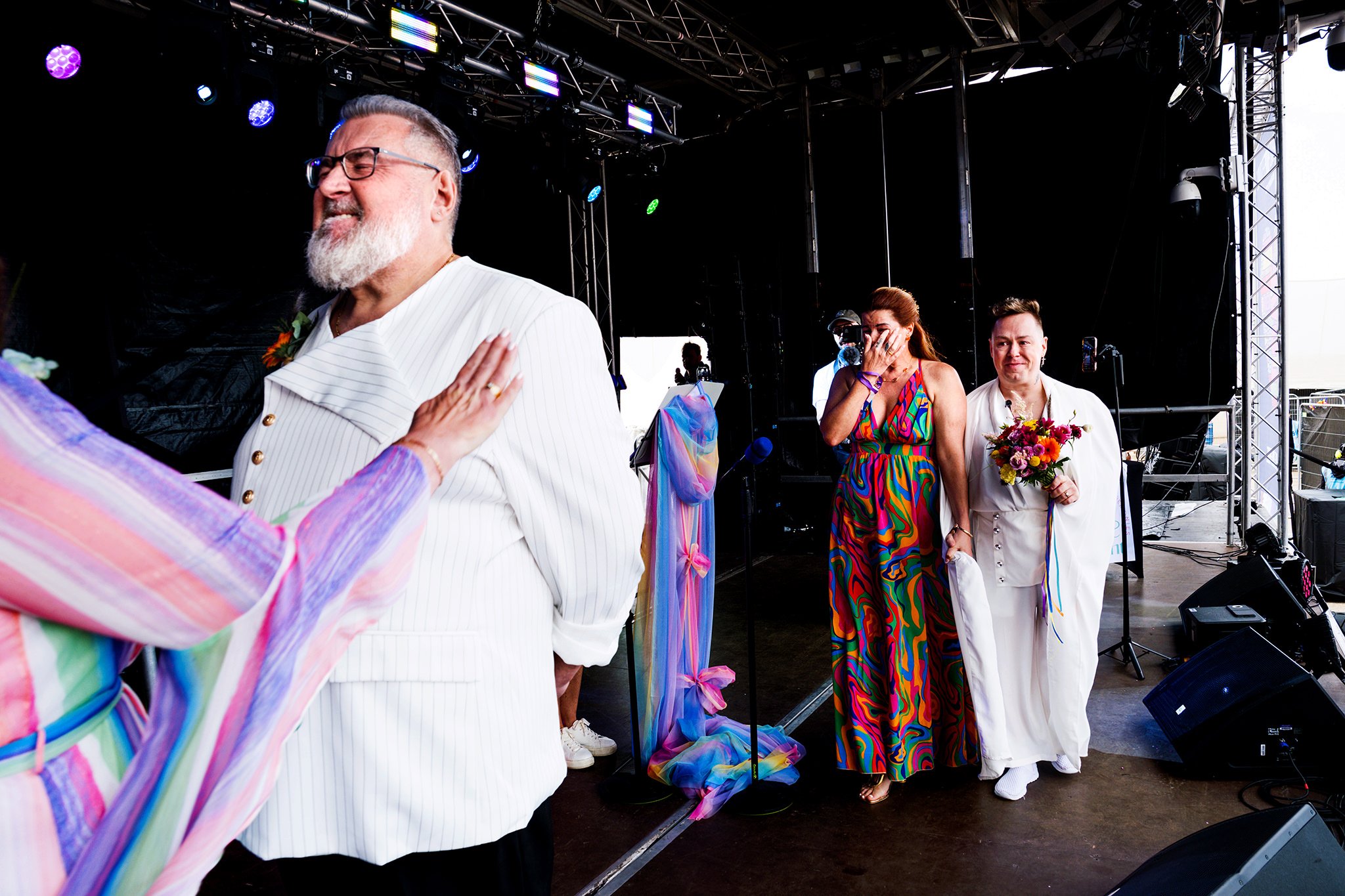
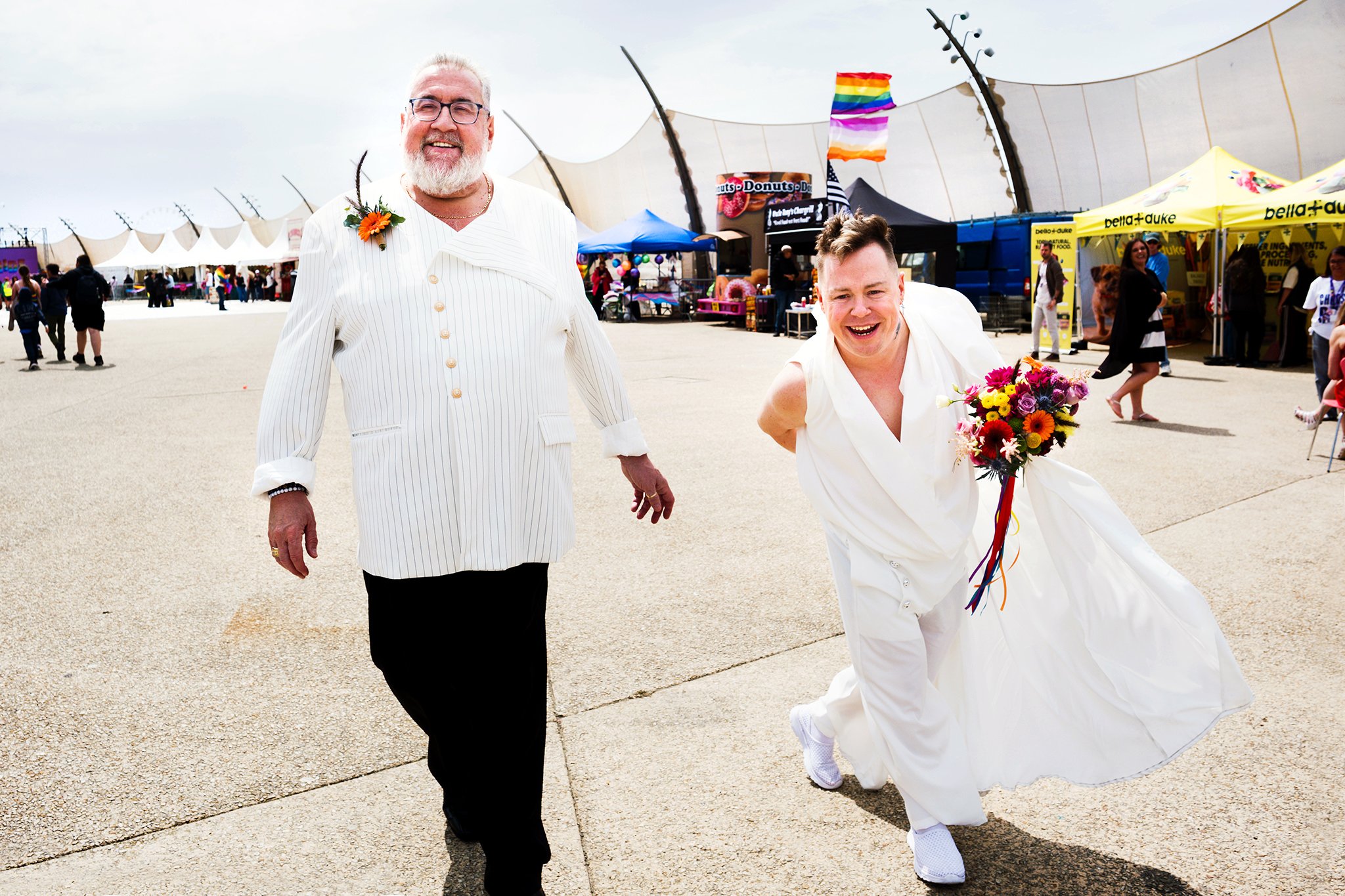
Pictured above are Martin and Philip, who celebrated their wedding with a ceremony on the main stage at Blackpool Pride this year. Under proposed new wedding laws, couples could soon be able to legally marry almost anywhere that is meaningful to them. Whether it's in your back garden, your local pub, or, like Martin and Philip, at Pride, your vision could become reality in a single, legally recognised ceremony as soon as 2027.
This doesn’t mean every location will automatically be suitable. The dignity and seriousness of the ceremony will remain, and a registered officiant will have to be present. So, while your wedding can become more personal, getting married whilst riding The Grand National will likely still be off limits.
But these reforms are about giving couples more affordability and more choice.
With over one in five couples in Britain being interfaith, the changes will also make it possible for couples to have one legally recognised ceremony that reflects both of their faiths, traditions and beliefs.
A wedding is far more than a legal formality. It is often one of the most important days in a couple’s lives and a symbol of a lifelong commitment. If a couple chooses to get married, then they should be able to do so in a way that reflects their relationship.
The reforms will also strengthen protections against forced marriages, including information being provided as standard and greater transparency around planned weddings. This will make it easier for people to be aware of a planned marriage and identify any lawful impediment.
I was fortunate to marry my wife, Portia, in 2019. She is my best friend and biggest supporter and our wedding day was an important milestone in our relationship. It is right that, when it comes to marriage, that love is placed at the centre rather than restrictions.
The public consultation on these reforms opened on the 16th of July and will run until 24th of September 2026. I would encourage anyone with views on these proposals to take part. The government is particularly interested to hear from religious and non-religious belief organisations, academics, independent celebrants, support organisations and local registration services.
Share your views here: https://consult.justice.gov.uk/family-justice/reforming-weddings-law-in-england-and-wales/