Victory for my year-long fight for affordable infant milk
When I first stood up in Parliament just over a year ago to raise the alarm about the cost of infant formula, I did so not only as a new MP but as a new father. My son was nine months old at the time and, like so many parents, I had discovered how emotionally overwhelming, complicated and draining infant feeding can be – especially when the choice between breastfeeding and formula comes with financial pressure.
I launched the campaign with an adjournment debate, where I described how an unfair market landscape had left parents across Blackpool South, and across the country, having to make impossible choices – skipping their own meals to buy formula, watering down feeds and turning to internet forums to beg for milk until payday. A black market for baby milk was growing. In 2024, the market was characterised by low competition, rising prices and little clarity for parents. That is no way to give a baby the start in life they deserve.
Twelve months on, after campaigning with partners such as Metro, Feed UK and public supporters like LadBaby, and delivering a potion with 107,000 signatures to 10 Downing Street, the Government has now committed to change.
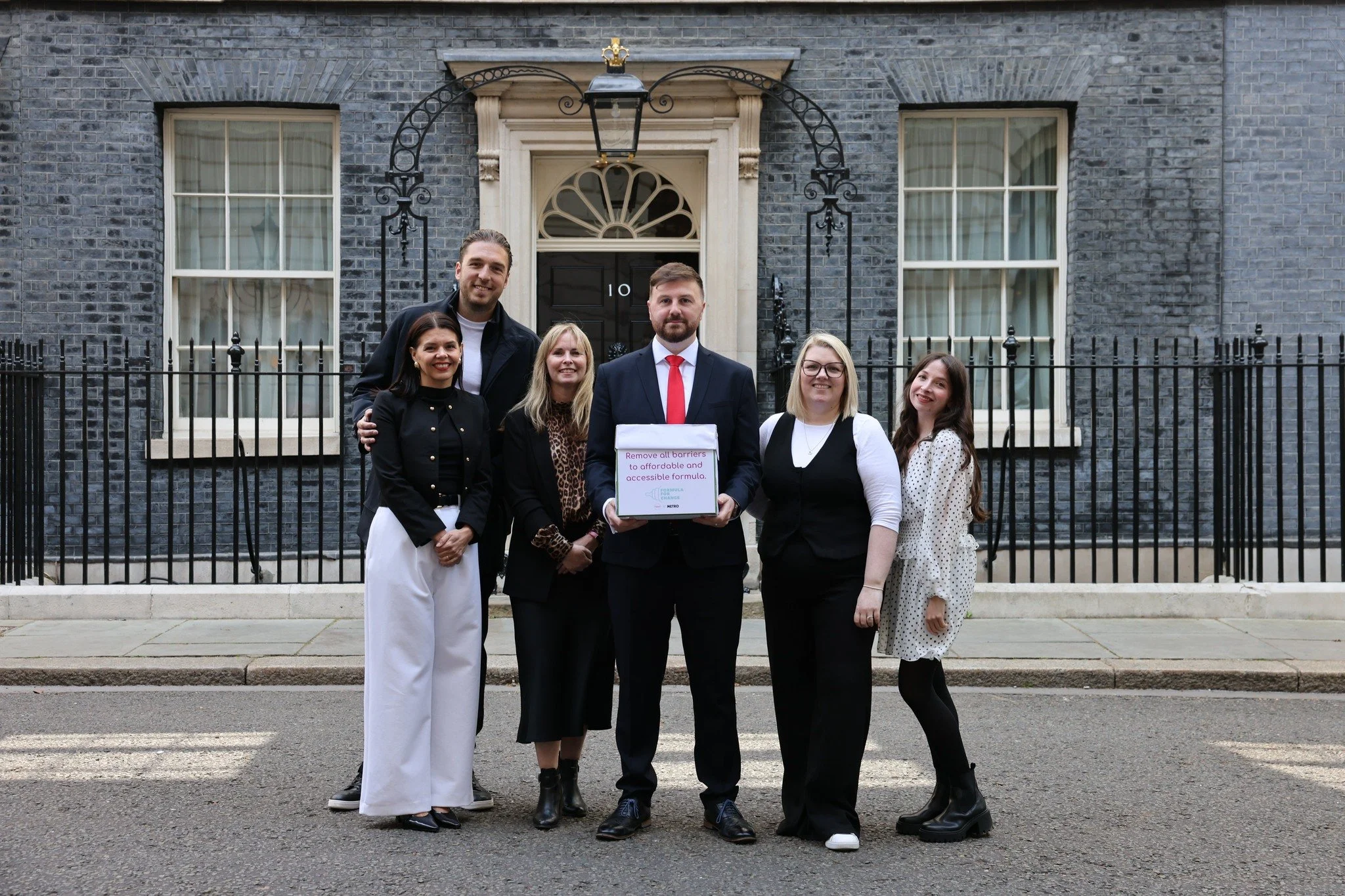
Under plans announced this week, parents will be able to use loyalty points and vouchers to buy infant formula, retailers will receive clearer guidance and families are projected to save up to £500 before their baby’s first birthday. This is a major milestone and a victory for the many parents who spoke out.
But it is also one that reflects how deeply flawed the infant formula market has become and how much more there is to do.
The Competitions Market Authority report
The Competitions Market Authority released a study confirming what many parents and campaigners already knew to be true – the UK infant formula market was not delivering fair value to families. It found that, over the past two years, prices had surged, in some cases rising by 25-36%.
The watchdog identified several structural problems. The market is dominated by only a few firms, giving them outsized control and limiting price competition. Strict regulation of advertising and promotion, designed rightly to protect breastfeeding, had unintended consequences, making price promotions, discounting and even the use of vouchers or loyalty points for formula effectively impossible.
Additionally, parents in vulnerable circumstances found themselves pressured when choosing a brand – frequently interpreting higher price as higher quality, despite all first-infant formulas being legally required to meet the same nutritional standards. As a result, many families spent hundreds of pounds more per year than necessary, at a time when living costs, food insecurity and child poverty were rising.
The CMA concluded that giving parents clearer, impartial information, allowing vouchers and loyalty payments and helping retailers signal cheaper formula options could deliver real savings of up to £300-£500 per child’s first year.
The Government acts
In response to the CMA study, the Government has now officially accepted a package of reforms aimed at improving affordability and transparency in the baby-milk market.
These include allowing infant formula to be bought with vouchers, gift cards and loyalty points – ending a barrier that forced many parents to pay full price. There will be be clearer information for parents in retail settings, so they understand that all first-stage formulas meet the same nutritional standards, reducing the false premium placed on expensive brands.
Competition will also be encouraged through price transparency and better signposting of lower-cost own-brand formulas and supporting supermarkets that offer affordable options.
This is precisely what our campaign has fought for but this good progress must be matched with vigilance. The reforms do not yet guarantee price-caps or controls, meaning some manufacturers and retailers may still prioritise profit over parents. The CMA has left open the door to more intervention if the new measures do not sufficiently improve affordability.
What I’ve delivered
Over the past year, alongside applying continued pressure to the government, I’ve worked with formula manufacturers, retailers, food banks and community organisations to try to plug the gap while systemic reform took shape. As a result, through donations and partnerships, we have distributed 3 million individual infant feeds to families in need across the UK. There’s been a constant supply of infant milk for needy families in Blackpool, across the North West and even further afield as a result.
This was never meant to be a permanent solution but it helped prevent babies from going hungry while wider reforms were in flux.
Now, with the Government’s announcement, some of that pressure will ease. But more needs to happen, including the expansion of affordable own-brand formula options in every major supermarket and strengthening support for vulnerable families.
We need continued regulation of marketing, ensuring promotional tactics, misleading branding or inflated scientific claims don’t encourage parents to pay more or believe premium equals better. All first-stage milk is legally equivalent.
Why this matters
The overwhelming majority of babies receive formula at some point in their first year. That means these reforms will reach families in every community. For many new parents, these changes could mean the difference between a baby being properly fed, or going hungry.
For me, this campaign was not about politics, it was about fairness and basic human needs. Every child deserves a fair start and every family deserves support.