Why I’m backing Kiena’s Law
23-year-old Kiena Dawes was a devoted and loving young mother from Fleetwood who should have had her whole life ahead of her. But in July 2022, after years of prolonged physical and emotional domestic abuse, Kiena tragically took her own life.
While her abuser was jailed for the terror he subjected Kiena to, the jury did not recognise his actions as manslaughter. No family should be left feeling that the role domestic abuse played in the death of a loved one has not been fully recognised by the criminal justice system. And Kiena’s story is not an isolated one.
Last week I was invited to speak at a conference held by Police and Crime Commissioner Clive Grunshaw at the Winter Gardens. The conference brought charities, campaigners and authorities together to focus on improving recognition, response and justice relating to domestic abuse-related suicide. Outside the event was an exhibition of 150 pairs of blue shows – each pair representing a life lost to this tragic issue in the year to March 2025. Behind every one of those numbers is a person, a family and a community left asking whether more could have been done to protect their loved one.
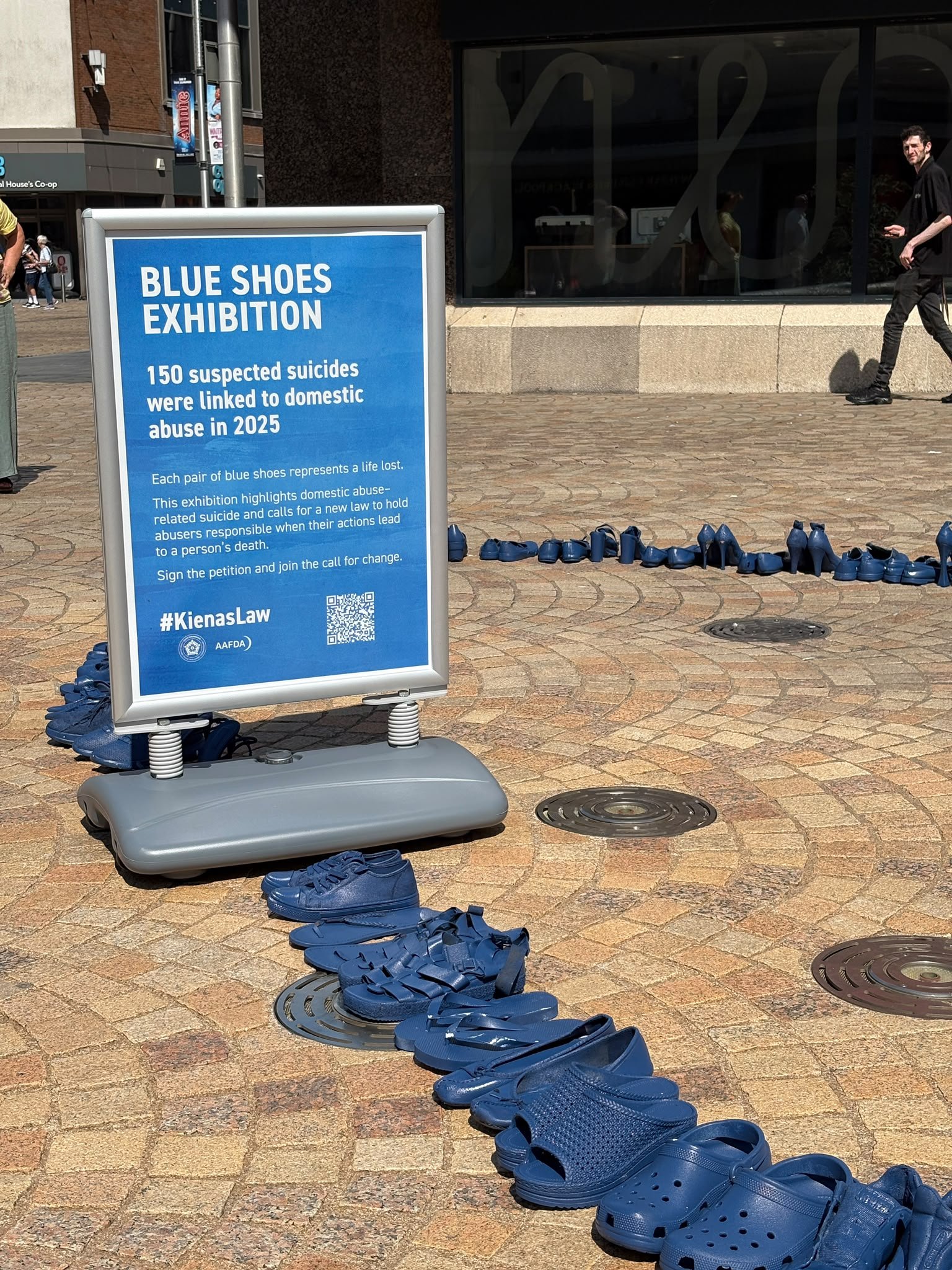
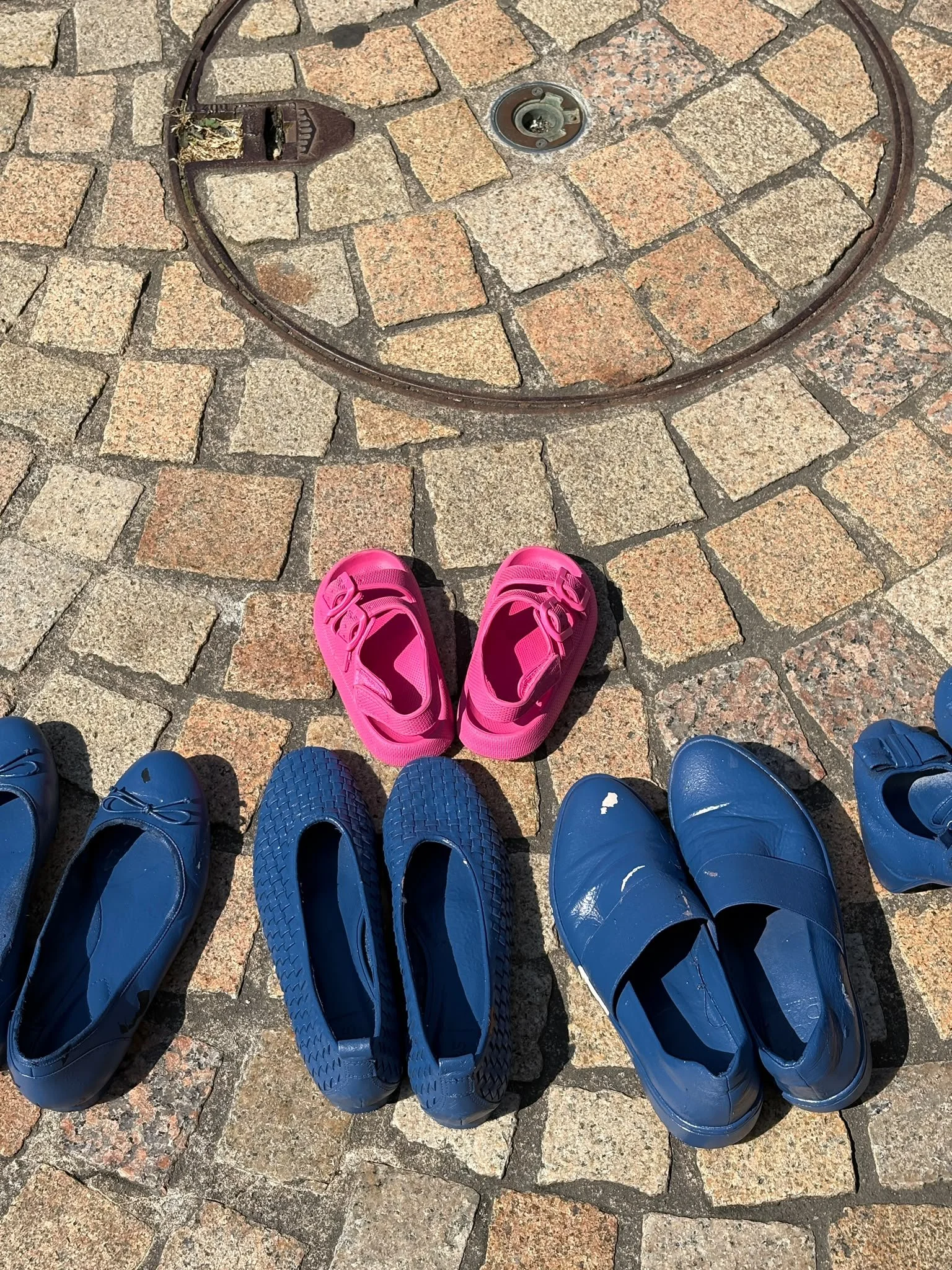
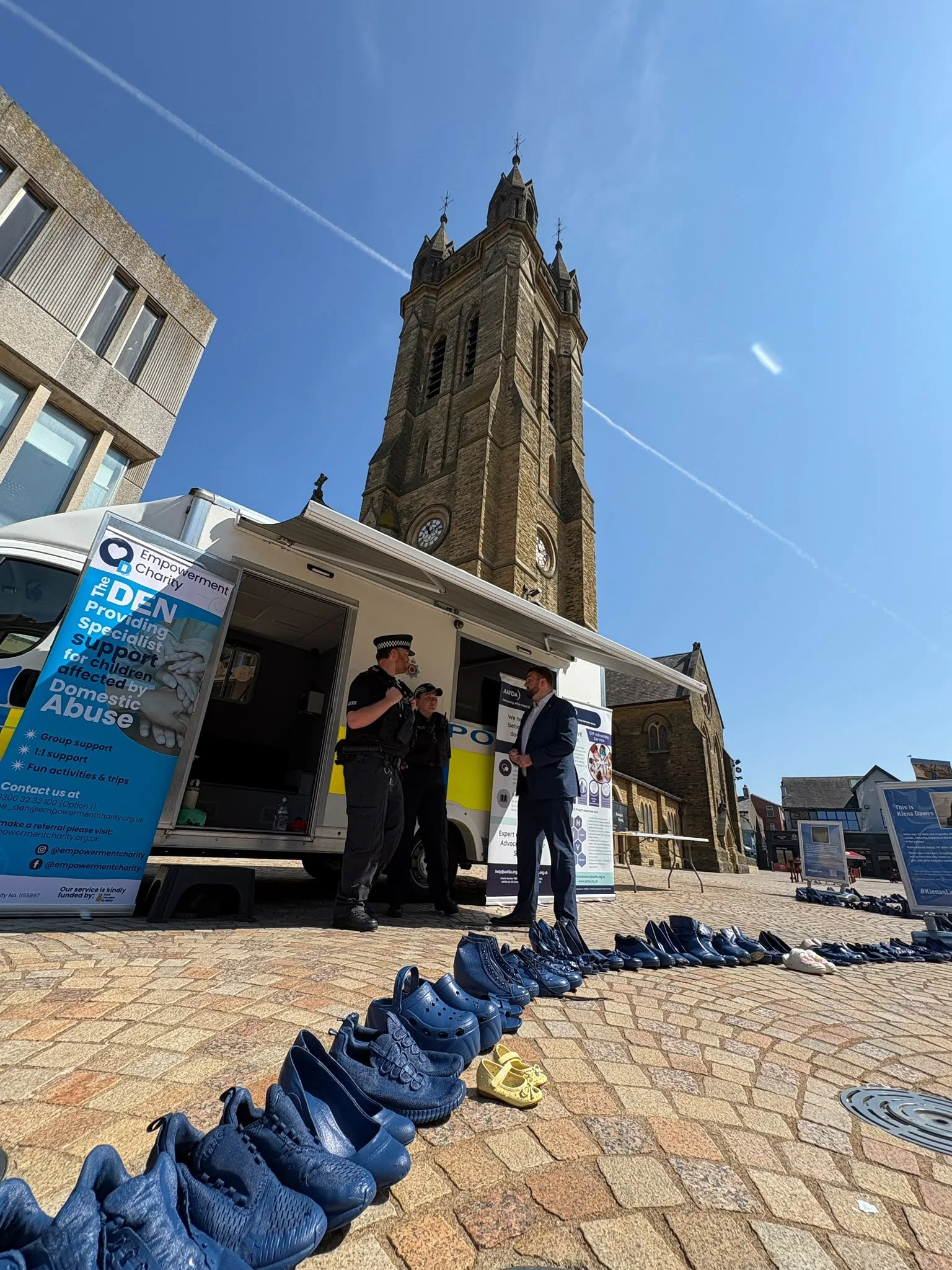
There is growing concern about cases where victims die by suicide following sustained domestic abuse, including coercive and controlling behaviour. And it’s unacceptable that more is not being done to ensure victims get the support and protection they need before it is too late.
As the Member of Parliament for Blackpool South, my concerns are urgent. Domestic abuse is closely linked with poverty, poor mental health, insecure housing and homelessness. And in Blackpool we face some of the greatest social and economic challenges in the country.
The evidence shows that those living in the most deprived areas face a greater risk of experiencing domestic abuse. In England and Wales, women living in the 20% most deprived areas were almost twice as likely to be victims of domestic abuse as women living in the 20% least deprived areas.
In my role, and through my previous work, I have seen first-hand the lived experiences of women affected by domestic abuse and I see the urgent need for services to work together before more women reach crisis point. But when prevention fails, women and their families deserve a justice system that responds effectively.
Because families and campaigners are telling us that the current law is not delivering the justice they deserve. The campaign for Kiena’s Law is built on a simple principle: where abuse causes or significantly contributes to a victim’s death, perpetrators must be held properly to account.
Campaigners are calling for a specific criminal offence of domestic abuse related suicide and for coercive and controlling behaviour to be included within the dangerous offender framework – allowing courts to impose extended sentences where appropriate.
I want to thank campaigners, particularly Kiena’s family, who have turned unimaginable grief into a campaign for change. And I thank Police and Crime Commissioner Clive Grunshaw for supporting them and driving their cause forward.
He acknowledges that the law as it stands is not fully equipped to respond to these cases which we are increasingly seeing in Lancashire – where sustained coercive and controlling behaviour plays a significant role in someone taking their own life.
We must improve suicide prevention work to ensure that the lessons of cases like Kiena’s are reflected in NHS guidance, professional training and prevention strategies.
We need stronger links between domestic abuse services, mental health support and suicide prevention pathways so that people experiencing abuse are identified and supported before they reach crisis point.
We must maximise the use of existing legislation on coercive and controlling behaviour to ensure police and prosecutors pursue every available route to bring perpetrators to justice.
And we must be willing to consider legislative reform where there are gaps that prevent justice being delivered.
Most importantly, we must listen – to survivors, to campaigners, to frontline organisations and to bereaved families.
The experiences of women and girls in Blackpool, Lancashire and across the country must help shape the government’s response to violence against women and girls.
We owe it to Kiena, to the families who have been left behind and to every person living with domestic abuse today, to make sure their voices are heard and that meaningful change follows.